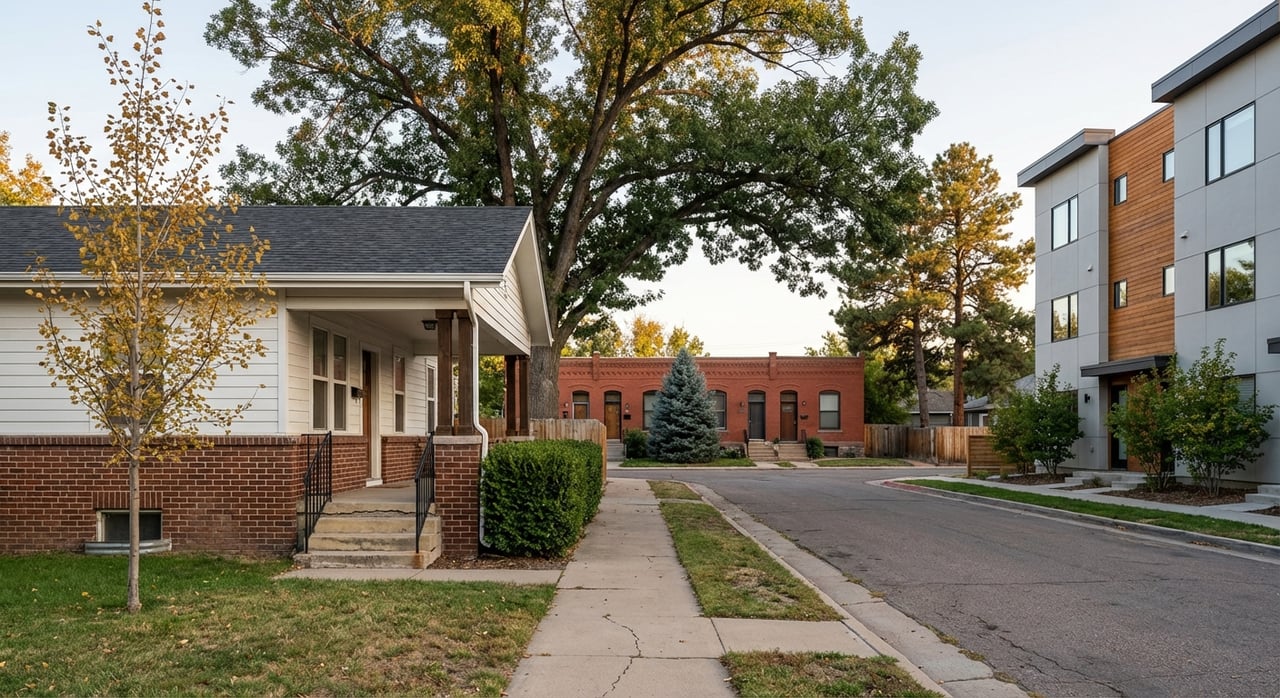
You have options in Denver, and that is a good thing. If you have been scrolling listings wondering which homes fit your lifestyle, you are not alone. This guide shows you the most common Denver home styles, where to find them, who they tend to fit, and the tradeoffs to weigh. By the end, you will have a clear way to focus your search and next steps to take. Let’s dive in.
Denver market snapshot for context
Recent reports point to a more balanced market with higher inventory and more negotiated sales than the 2020 to 2022 peak. You will likely see more choices and more time to compare than during the bidding-war days. For the latest context, review the DMAR Market Trends report. In 2025, the metro’s typical prices hovered near the low to mid 600s, and detached homes and attached condos or townhomes often follow different price paths. Buyers also continue to weigh outdoor space, home-office flexibility, and turn-key condition, and many factor HOA dues and renovation costs into total monthly budgets, per DMAR’s ongoing coverage.
Denver home styles at a glance
Craftsman bungalows
You will see one to one-and-a-half stories, wide front porches, and warm woodwork from the early 1900s. Look around City Park, Washington Park, Platt Park, West Highland and Berkeley, and parts of Park Hill and Congress Park. Why buyers like them: charming curb appeal and mostly main-floor living that works for many life stages. Tradeoffs: smaller interiors than newer builds and older systems that may need upgrades. See style cues in 5280’s design guide.
Denver Squares
Often brick and boxy with a large porch, the American Foursquare is a Denver classic with a regular four-room-per-floor layout. You can find examples in Park Hill, Congress Park, City Park West, and pockets of Capitol Hill and Five Points. Why buyers like them: more interior space and bedrooms while keeping historic presence. Tradeoffs: compartmentalized rooms can feel less open, and renovations can uncover structural or system work.
Victorians and Queen Anne
From about 1880 to 1910, ornate trim, bays, and turrets defined homes in areas like Capitol Hill, Baker, Curtis Park, and parts of Five Points. Why buyers like them: strong architectural character and a sense of history, with local landmarks that illustrate the style. Tradeoffs: quirky floor plans, smaller closets, and higher maintenance. For an architecture overview, explore 5280’s style roundup.
Tudor and Mediterranean Revival
Built mostly in the 1910s to 1930s, Tudors have steep gables and half-timbering while Mediterranean Revival homes often show stucco walls and tile roofs. You will see these in Park Hill, Montclair, Belcaro, Bonnie Brae, and parts of Washington Park. Why buyers like them: eye-catching curb appeal and distinctive interiors. Tradeoffs: specialty materials like tile roofs can raise repair costs. See examples in this design guide.
Midcentury ranch
Postwar ranch homes from the 1940s to 1960s offer single-level living, attached garages, and simpler lines. Look in Hilltop, Harvey Park, Bonnie Brae, and outer neighborhoods with midcentury stock. Why buyers like them: stair-free layouts and larger lots or garages. Tradeoffs: many need window and insulation upgrades to meet today’s comfort goals. Get visual cues in 5280’s midcentury notes.
Townhomes and condos
Attached homes range from historic rowhomes to new three-story townhomes and urban condos. You will find options around Jefferson Park, Sunnyside, LoHi, parts of Five Points and Sloan’s Lake, and downtown areas like LoDo, Ballpark, and Cherry Creek. Why buyers like them: lower exterior maintenance, walkable locations, and amenity access in some buildings. Tradeoffs: monthly HOA dues, building rules, and limited private yard space. The national median HOA fee rose to about $125 per month in 2024 and trended up, according to Realtor.com’s HOA research. Always confirm current local HOA amounts and what they include.
Newer single-family and master-planned
Redevelopment areas such as Central Park and Lowry feature modern layouts, energy updates, and planned parks. Why buyers like them: move-in-ready systems, attached garages, and community amenities. Tradeoffs: HOA or metro-district governance and commutes that vary by sub-neighborhood. For a Central Park overview, start with this summary.
ADUs and the “missing middle”
Accessory dwelling units are gaining momentum across Colorado. A new statewide law set requirements and timelines, and Denver has advanced citywide ADU code changes. Why buyers like them: rental income potential, multigenerational living, and flexible space. Tradeoffs: permitting steps, construction costs, and possible HOA restrictions. Learn the basics from the Colorado DLG ADU Toolkit, and always confirm local rules and HOA covenants before you buy.
Match your lifestyle to a style
- Low-maintenance, in-town living: consider condos or newer townhomes in downtown-adjacent neighborhoods. Focus on walkability, transit access, and HOA details. Use current market context from DMAR’s monthly report to compare attached vs detached value.
- A yard and close-in parks: look at Denver Squares, Craftsman bungalows, and single-family homes in Park Hill, Washington Park, and Platt Park for lot size and green space. Neighborhood groups like Historic Park Hill offer helpful context.
- Historic character with renovation plans: explore Victorian pockets such as Capitol Hill, Baker, and Curtis Park. Expect unique floor plans and possible preservation guidelines. Style primers like 5280’s architecture guide help you read what you see.
- New construction and predictable systems: tour Central Park and Lowry for modern layouts and lower immediate maintenance. Start with a quick neighborhood overview.
- Value hunting and fixer potential: national consumer data shows fewer buyers prefer fixers today, which can influence discounts and days on market. See a summary from Better Homes & Gardens, then compare recent local comps before making a move.
Smart next steps before you buy
- Tour at different times of day to understand light, noise, street parking, and traffic patterns.
- Ask about systems age and likely upgrades for each style, such as electrical, plumbing, roof, windows, and insulation.
- Budget for HOA dues if considering condos or townhomes, and verify what fees include.
- If a home sits in a historic district, review neighborhood resources like Historic Park Hill and learn about exterior change rules.
- If you want ADU potential, read the Colorado DLG ADU Toolkit and confirm current Denver permitting steps and HOA rules.
- Check current inventory and days on market in your target area using DMAR’s latest trends and your agent’s MLS snapshot.
Ready to explore together?
Choosing the right Denver home style is part design, part lifestyle, and part strategy. Our family-led team pairs market-savvy guidance with presentation-first thinking so you can spot value, negotiate with confidence, and move forward with clarity. When you are ready for a tailored plan and on-the-ground tours that match your goals, connect with Norris4Homes - John & Steven.
FAQs
What is a Denver Square and where do you find them?
- A Denver Square is a two-story American Foursquare with a boxy form and large porch, common in Park Hill, Congress Park, City Park West, and parts of Capitol Hill and Five Points; they offer flexible interiors with historic curb appeal.
Are condo or townhome HOA fees high in Denver?
- HOA dues vary by building and location; as national context, the median fee was about $125 per month in 2024 and trending up per Realtor.com’s HOA research, so you should verify local amounts and what they include.
How competitive is Denver’s market in 2025?
- Reports show a more balanced stance than 2020 to 2022, with higher inventory and more negotiated sales; review the DMAR Market Trends report for the latest snapshot.
What should I know about historic homes and renovations?
- Expect floor-plan quirks and potential system updates; if the home is in a historic district, review local guidelines and resources such as Historic Park Hill before planning exterior changes.
Can I add an ADU to a Denver property?
- Colorado’s recent law and Denver’s policy updates support ADU growth, but you must follow city permitting steps and confirm HOA rules; start with the Colorado DLG ADU Toolkit for an overview.
Which Denver neighborhoods have many bungalows?
- Craftsman bungalows are common in City Park, Washington Park, Platt Park, West Highland and Berkeley, and parts of Park Hill and Congress Park; 5280’s guide shows what to look for.