Thinking about calling Highlands Ranch home? You’re not alone. This Douglas County community draws people who want suburban comfort, strong amenities, and easy access to the outdoors. In this guide, you’ll see what everyday life looks like here, from parks and recreation to schools, shopping, housing, and commuting, so you can decide if it fits your daily rhythm. Let’s dive in.
Community snapshot and governance
Highlands Ranch is an unincorporated, master-planned community in Douglas County. That means it isn’t an incorporated city. Local services and infrastructure come from Douglas County, the Highlands Ranch Metro District, and various homeowners associations or special districts.
You’ll find a suburban setting with a strong emphasis on family life, outdoor recreation, and community programming. Many households are owner-occupied, and a large share include children. Income and education levels in Highlands Ranch and Douglas County trend above national averages, based on U.S. Census and American Community Survey data.
Daily life here feels orderly and convenient. Neighborhoods connect through planned roads, parks, and trails, and you’ll notice well-kept common areas supported by community organizations.
Parks and trails
If you love the outdoors, you’ll appreciate the area’s extensive trail network and open space. Trails link neighborhood parks to larger community parks and regional open spaces, giving you options for morning runs, dog walks, or family bike rides without getting in the car.
You’re also a short drive from the foothills and regional destinations like Chatfield and Roxborough state parks. For exact trail mileage, off-leash areas, and maps, residents typically use Highlands Ranch Metro District and Douglas County open-space resources. Expect multi-use paths, playgrounds, and scenic routes that make it easy to build outside time into your routine.
Recreation centers and community events
Recreation centers are a big part of the local lifestyle. Multiple facilities offer fitness spaces, pools, swim programs, and classes for kids and adults. Larger complexes often host birthday parties, drop-in programs, and seasonal activities.
Community events happen year-round. You can look forward to summer concerts and outdoor movies, Independence Day celebrations, seasonal or farmers markets, holiday festivities, and fun runs. Many programs and events are organized by the Highlands Ranch Community Association or the Metro District, adding to the “active small-town” feel.
Housing and neighborhoods
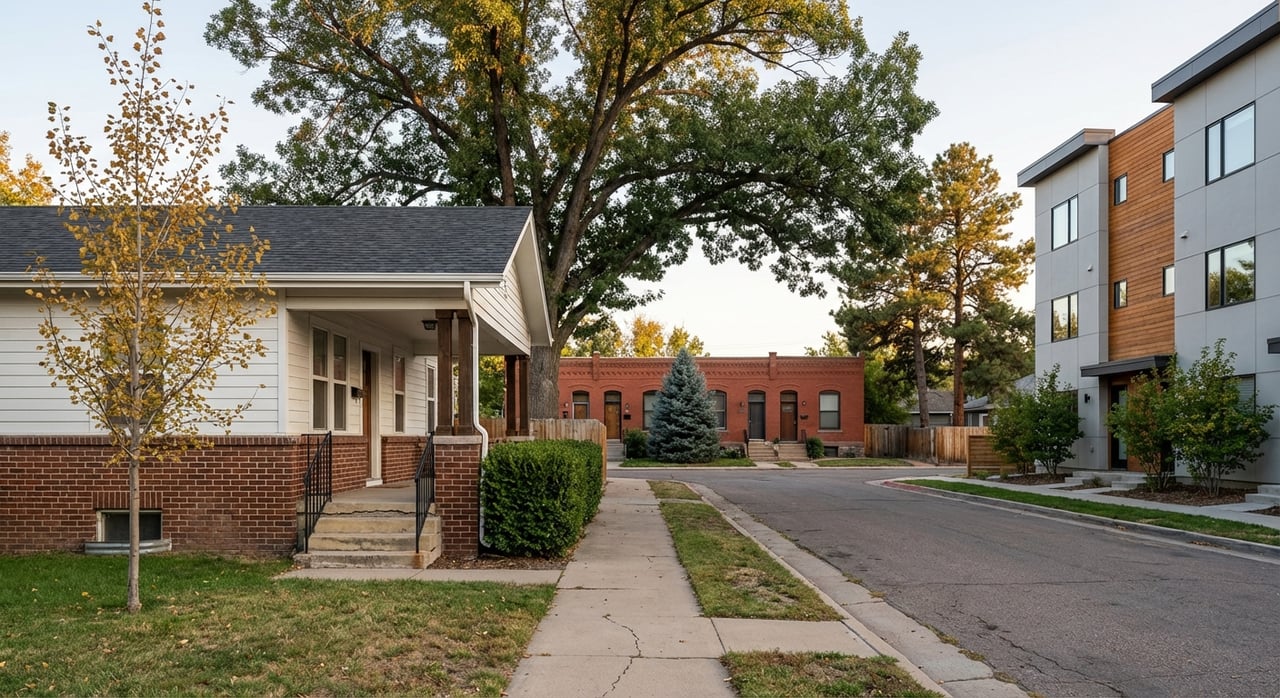
Housing in Highlands Ranch is primarily single-family detached homes on suburban lots, with a meaningful mix of townhomes, condos, and patio homes. Most neighborhoods emerged during master-planned phases from the 1980s through the 2000s, with some newer builds and infill appearing later.
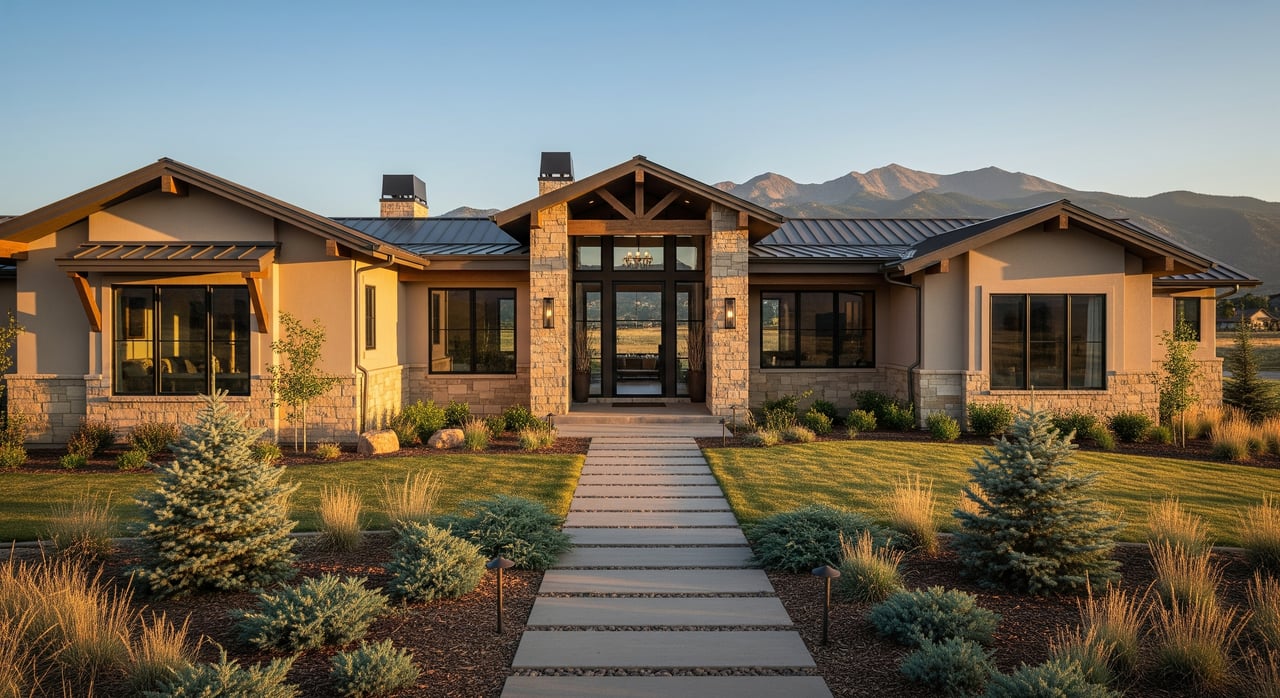
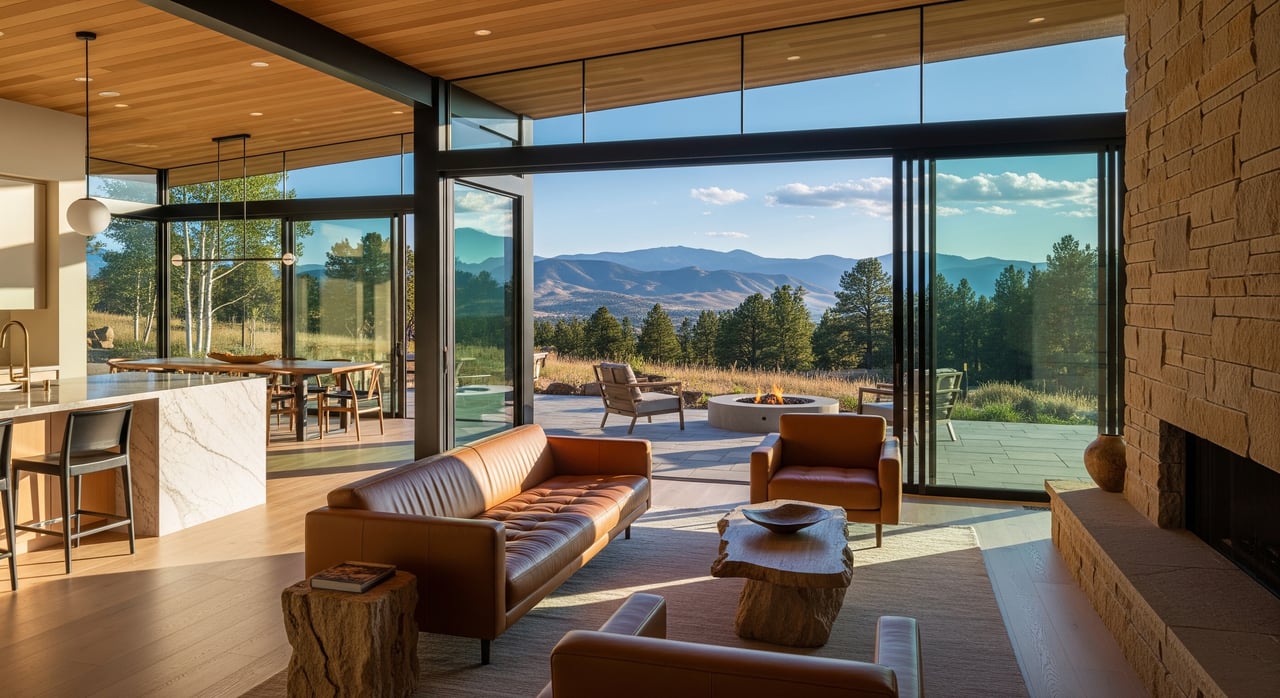
Architectural styles lean contemporary suburban. You’ll see ranch-style single-level homes, two-story traditional designs, and Craftsman-influenced exteriors. Higher-end pockets may offer larger lots and luxury finishes. Established neighborhoods have mature landscaping and tree-lined streets, while newer areas and renovated homes offer open-plan interiors and updated systems.
Home values here tend to be above regional averages because of amenities, community infrastructure, and proximity to Denver job centers. Prices and conditions change quickly. If you’re planning a move, it helps to review current neighborhood data and inventory with a local agent so you can time your search and budget effectively.
HOAs and community rules
Many Highlands Ranch neighborhoods have homeowners associations. HOAs can guide architectural changes, exterior paint colors, fencing, landscaping, and sometimes rental rules. Community-level organizations maintain larger parks, open spaces, and shared amenities. Before you buy, review covenants, fees, and standards so you understand what’s allowed and what will be expected.
Schools and childcare
Highlands Ranch is primarily served by Douglas County School District. The area includes multiple elementary, middle, and high schools with varied program offerings such as IB, STEM, AP, and extracurriculars. Performance can vary by school, so it’s smart to review boundary maps and state report cards when comparing options.
Childcare and preschools are widely available, and recreation centers and private providers offer after-school programs and camps. Families often coordinate school pickup with activities at community fields, gyms, pools, or nearby tutoring centers.
Shopping and dining
Day-to-day shopping is simple. Neighborhood centers offer grocery stores, quick-service dining, banks, coffee shops, and essential services. You’ll also find casual sit-down restaurants and local cafés.
For broader retail and specialty shopping, residents often head to nearby hubs in the south metro area, including major centers in Lone Tree and south Denver. Expect peak activity and retail density along major arterials and near town center-style districts.
Healthcare access
You’ll have convenient access to primary care, dental, and specialty clinics within Highlands Ranch. For hospital services, many residents use larger medical centers in nearby communities. Sky Ridge Medical Center in the Lone Tree/Centennial area is a common choice, and the broader Denver metro network is within an easy drive for specialized care.
Getting around and commute
Highlands Ranch is car-oriented, and most residents drive for shopping, errands, and commuting. RTD bus routes serve the area and connect to light-rail stations and downtown, though service levels vary by route and time of day. There is no major light-rail station inside Highlands Ranch, so many commuters drive to park-and-ride lots or to major corridors like C-470 and I-25.
Commute times into Denver commonly range from 20 to 40 minutes or more, depending on traffic, weather, and your exact start and end points. Access to C-470, I-25, and E-470 makes trips to south metro job centers in places like Lone Tree or the Denver Tech Center comparatively convenient.
Safety and peace of mind
Douglas County and Highlands Ranch consistently report crime rates that are lower than or near metro averages. Like any area, conditions can vary by neighborhood and season, so it’s best to review official reports from local law enforcement and neighborhood-level crime maps when evaluating a specific property.
Lifestyle snapshots
Here’s what a typical day might look like for different residents:
- Family with school-age children: School drop-off, work commute, after-school sports or classes at local recreation centers, dinner at a nearby restaurant, and a weekend hike or ride on local trails.
- Young professionals and commuters: Drive or transit to jobs in Denver or south metro office hubs. Evenings might include fitness classes, dinner with friends, and weekend trips to foothill trailheads or state parks.
- Retirees and downsizers: Morning walks on neighborhood paths, mid-day classes at a recreation center, errands at nearby shops, and relaxed social events close to home.
- Outdoor-focused residents: Regular trail runs, bike rides, and easy trips to Chatfield or Roxborough for hiking and scenic time outside.
How walkable is it?
Walkability depends on the neighborhood. Most areas have sidewalks and make it easy to reach parks, schools, and local playgrounds on foot. For larger shopping trips, specialty dining, or transit connections, a car is usually the fastest option.
Comparing nearby suburbs
- Lone Tree and Greenwood Village: Both offer more office and commercial centers. Highlands Ranch feels more residential and master-planned, which many families prefer for day-to-day convenience.
- Littleton and Centennial: Littleton has older housing stock and a historic downtown. Highlands Ranch is newer and more planned, with similar access to foothill recreation.
- Parker: Parker’s small-town main street appeals to many. Highlands Ranch offers larger-scale recreation infrastructure and denser master-planned neighborhoods.
Tips for buyers and sellers
- For buyers: Decide your priorities first. If you want quick access to trails and recreation centers, focus your search near those amenities. Review school boundaries and programs if that matters to your household. Ask about HOA covenants and fees early so there are no surprises.
- For sellers: Presentation matters. Well-prepared homes tend to attract stronger attention and can move faster in any market cycle. Address exterior maintenance, refresh paint and flooring as needed, and consider professional staging and photography to elevate your listing.
- For everyone: Market conditions change. Inventory, pricing, and days on market are fluid. Plan to review current data and adjust your strategy based on season and competition.
Ready to explore Highlands Ranch or list your home with a presentation-first plan? Reach out to our family team at Norris4Homes - John & Steven to get a clear game plan tailored to your goals.
FAQs
What is Highlands Ranch’s governance structure?
- Highlands Ranch is an unincorporated community in Douglas County. Services come from Douglas County, the Highlands Ranch Metro District, and neighborhood associations or special districts.
How are the schools in Highlands Ranch?
- The area is primarily served by Douglas County School District and includes many well-regarded schools, though performance varies. Review boundary maps and state report cards for specifics.
What outdoor access will I have?
- You’ll find an extensive local trail network, numerous parks, and quick drives to regional destinations like Chatfield and Roxborough state parks.
How long is the commute to Denver?
- Typical drives range from about 20 to 40 minutes or more depending on traffic and your route. RTD bus service connects to light rail, but many commuters use park-and-ride lots.
Is Highlands Ranch walkable for daily errands?
- Most neighborhoods are walkable for parks, schools, and short trips, but a car is usually needed for larger shopping runs and broader transit connections.
Are there HOAs in most neighborhoods?
- Yes, many communities have HOAs that guide exterior changes, landscaping, and sometimes rentals. Always review covenants, fees, and standards before you buy.
What kinds of homes are common?
- You’ll see mostly single-family homes along with townhomes and condos. Styles range from ranch and two-story traditional to Craftsman-influenced designs, with both established and newer areas.
What local amenities can I expect?
- Recreation centers with pools and classes, neighborhood shopping centers, varied dining, and a steady calendar of community events are all part of daily life.