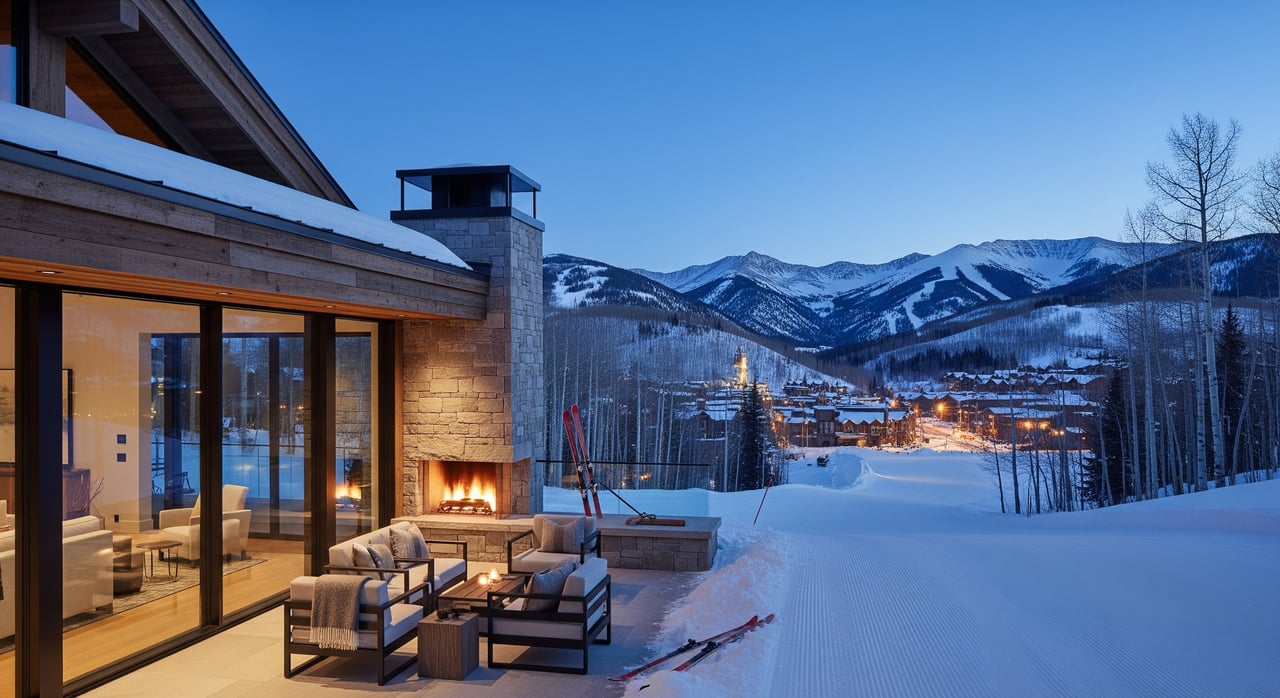
Do you picture clipping into your skis at the back door, or strolling to Main Street for coffee before first chair? If you are weighing ski-in/ski-out convenience against in-town walkability in Breckenridge, you are not alone. Each lifestyle offers distinct perks, costs, and rental profiles. In this guide, you will learn the real differences so you can choose with confidence. Let’s dive in.
Ski-in/ski-out at a glance
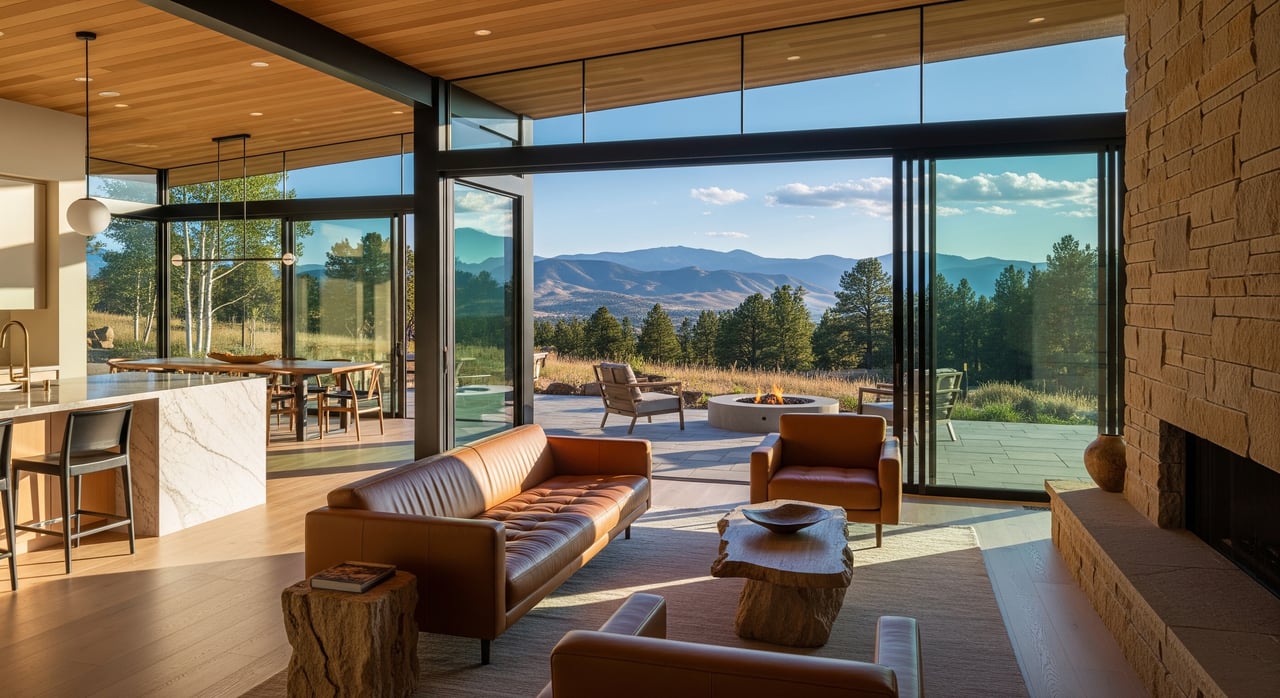
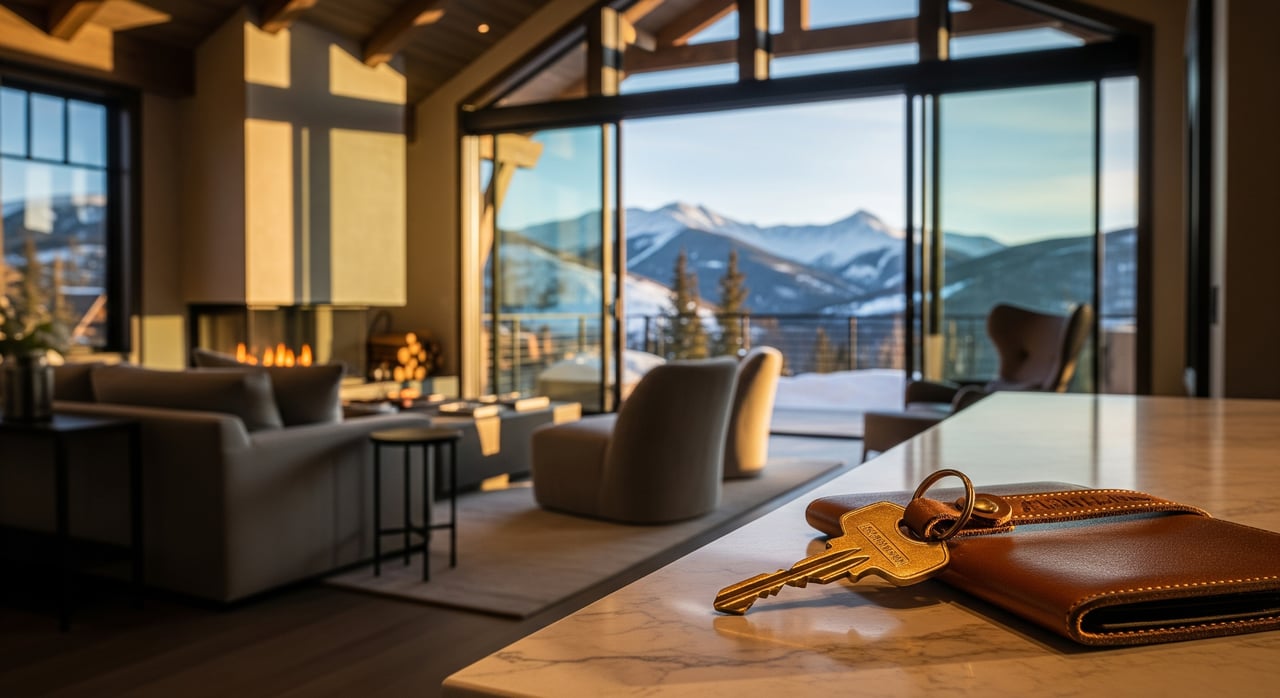
Ski-in/ski-out means direct, skiable access from your property to lift-served terrain without using a car or shuttle. In Breckenridge, Peak 8 and parts of Peak 7 offer the strongest direct access. You can grab first tracks, return home for lunch, and head back out without changing out of your boots.
Access can vary with conditions. For example, skiways like the Four O’Clock area help connect the mountain to lower elevations when open and groomed. Always confirm current season access patterns for any specific building or street before you buy.
In-town living at a glance
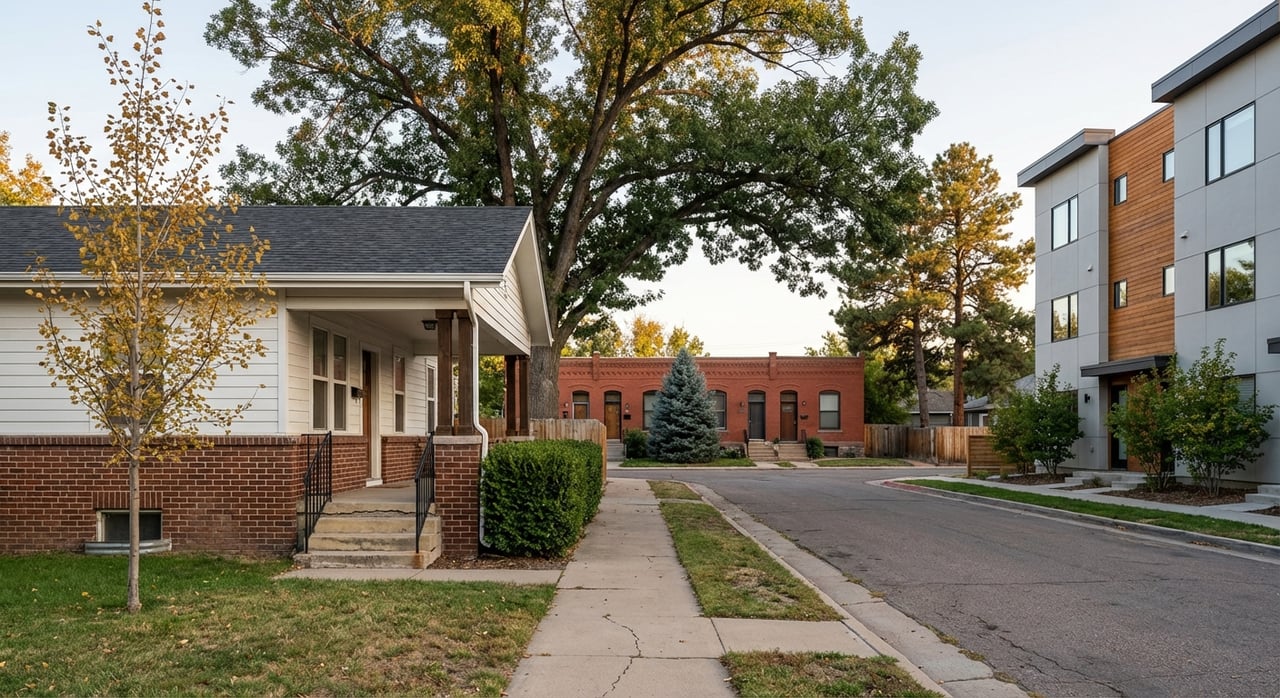
In-town properties sit on or near historic Main Street and surrounding neighborhoods. You get quick access to dining, shops, festivals, and community events. Many in-town homes and condos are a short shuttle ride to the lifts, and some are a comfortable walk when conditions allow.
This lifestyle suits households that value variety. Non-skiers and multi-generational groups often prefer being near restaurants, grocery stores, and the riverwalk while still keeping the mountain close.
Access to skiing
Ski-in/ski-out
- Immediate slope access for first chair and easy midday breaks.
- On heavy snow days, you avoid base-area parking and shuttle lines.
- Steeper, higher-elevation roads may require strong winter driving and gear.
In-town
- Short walk or free shuttle to base areas in most locations.
- You plan around gear storage and timing to reach the lifts.
- Some days are walkable, but conditions can change your routine.
Lifestyle and amenities
Ski-in/ski-out
- Slope-centric living with mountain views and on-site amenities like hot tubs, pools, spas, and ski lockers in many resort complexes.
- The vibe can feel more resort-focused with fewer historic-town touches right outside your door.
- Evenings often center on cooking in, relaxing, or a planned trip into town.
In-town
- Town-centric living with restaurants, bars, cafes, shops, and events steps away.
- Ideal if some in your group prefer nightlife, shopping, or non-ski activities.
- Festivals and summer events add energy and convenience.
Transportation and parking
Ski-in/ski-out
- Parking allocations can be limited, especially in larger resort buildings.
- Guest parking may be restricted on peak days.
- Less reliance on shuttles, but driveways and roads can be steep and icy.
In-town
- Downtown parking is managed with time limits, permits, and municipal lots.
- Some properties include garage spaces; others have limited or no dedicated parking.
- Free town shuttles and regional service reduce the need for multiple vehicles.
Maintenance and HOAs
Ski-in/ski-out
- Resort complexes often carry higher HOA dues that cover amenities, common utilities, and building services.
- Centralized management can reduce your workload if you prefer hands-off ownership.
- Exposure and common spaces can increase heating and utility costs.
In-town
- HOA structures vary widely. Older single-family homes may have little or no HOA but higher individual maintenance.
- Historic homes can require more ongoing care, such as roofing, foundations, and winterization.
- You control services but carry the responsibility for contractors, snow removal, and upkeep.
Rental appeal and revenue
Ski-in/ski-out
- Strong winter demand and premium nightly rates due to convenience.
- Messaging around first tracks and easy kid breaks can boost bookings.
- Resort amenities like pools, hot tubs, and ski lockers support higher ADR in peak season.
In-town
- Broad appeal for visitors who value dining, nightlife, festivals, and summer activities.
- Walkability supports shoulder-season occupancy beyond ski days.
- A diversified guest base can smooth revenue across the year.
Note that short-term rental rules, licensing, and taxes affect net income. Some developments limit or prohibit short-term rentals, and rates vary by unit type, size, and management.
Property types to expect
Ski-in/ski-out
- Resort and hotel-condo buildings with concierge-style services and extensive amenities.
- Slope-edge condos and townhomes with direct run or lift access and a more residential feel.
- A smaller selection of single-family homes at higher elevations with ski access or quick shuttle access.
In-town
- Historic single-family homes with character near Main Street.
- In-town condos and lofts above shops or in small buildings in the core.
- Townhomes and newer infill condos within a short walk or shuttle to both Main Street and the lifts.
Regulations to know
Breckenridge and Summit County regulate business licensing, short-term rentals, and lodging taxes. If you plan to rent, you will need to register or license the property, collect and remit taxes, and follow safety and occupancy rules. Many properties have covenants, conditions, and restrictions that can affect rentals and owner use. The town and county also operate workforce or deed-restricted housing programs with eligibility and resale limits.
Before you buy, verify:
- Whether short-term rentals are allowed for the specific unit or neighborhood.
- Current licensing requirements, lodging and sales taxes, and any caps.
- HOA rules, fees, and amenity obligations.
- Deed restrictions that limit use, rentals, or resale.
Decision guide: which fits you
Use these quick filters to clarify your best fit:
- Choose ski-in/ski-out if you value first tracks, midday breaks, and minimal transit. It fits frequent winter users and families who want the easiest on-snow days.
- Choose in-town if your group includes non-skiers or you want a lively, walkable scene. It fits summer-first buyers and those who prioritize dining and events.
- Plan to visit only a few times a year and rent the rest of the time? Compare net income after HOA dues, management, and taxes. Slopeside can win peak weeks, while town can shine across seasons.
- Prefer hands-off ownership with on-site services? Lean toward resort complexes. Enjoy project management and more control? An in-town home may suit you.
- Financing and tax strategy matter. Second homes and investment properties follow different lending and tax rules. Build your plan with your lender and tax advisor early.
Touring tips for Breckenridge
- Confirm true ski access. Ask about exact lift or run connections, seasonal variations, and the typical opening timeline for nearby connectors.
- Test the shuttle. Time the route from the property to lift bases and back at a busy hour, with gear in mind.
- Check parking and snow storage. Review owner and guest parking allocations, garage clearance, and where snow gets piled after storms.
- Review HOA documents. Compare dues, what they cover, rental policies, and any special assessments in the pipeline.
- Consider sound and activity. In-town homes near Main Street enjoy energy and events. Visit at night and during weekends to gauge fit.
- Evaluate winter logistics. Steep driveways, sun exposure, and plowing practices can change daily life more than you think.
- Think summer. Trails, bike access, riverwalk proximity, and festival calendars matter for year-round enjoyment and rentals.
What to expect from the market
Breckenridge is a compact mountain town with its resort base areas close to the historic core. Travel time from Denver is roughly 1.5 to 2 hours when conditions are clear, but weather and traffic can change that. The winter season runs late fall through early spring, and summer is also busy with biking and festivals. That creates year-round appeal for many second homes.
Inventory includes historic single-family homes, townhomes, condos, and resort-style hotel-condo products. Since 2020, interest in second homes and short-term rentals has risen at times, although conditions shift seasonally as policies and supply change. Your strategy should account for the specific building, location, HOA, and local rules.
How we can help you decide
You deserve a clear, confident path to the right Breckenridge base. Our family-led team pairs local knowledge with negotiation-first representation to help you compare true access, carrying costs, and rental potential. We coordinate lenders, property managers, and HOA reviews so you can focus on the lifestyle you want.
If you decide to sell another property to make this move, our presentation-first approach includes professional staging, high-end photography, and 3D tours that help you capture stronger outcomes. For buyers and remote investors, we streamline logistics with concierge support and clear communication start to finish.
Ready to choose the right fit for your goals? Reach out to Norris4Homes - John & Steven for a personalized plan that compares specific buildings, access, HOA profiles, and rental scenarios.
FAQs
What does ski-in/ski-out mean in Breckenridge?
- It means direct, skiable access from your property to lift-served terrain without needing a car or shuttle, most commonly near Peak 8 and parts of Peak 7.
How far is Breckenridge from Denver by car?
- Under clear conditions, the drive typically takes about 1.5 to 2 hours, but weather and traffic can add time.
Do slopeside condos include owner and guest parking?
- Many offer allocated owner parking, but guest parking can be limited on peak days, so review building-specific policies.
Are in-town homes walkable to the lifts?
- Some are a comfortable walk when conditions allow, while many rely on the free town shuttles for quick access to the base areas.
Can I short-term rent my Breckenridge property?
- You may be able to if the property and HOA allow it, and you must comply with town licensing, safety rules, and lodging and sales taxes.
Which rents better: slopeside or in-town?
- Slopeside often earns higher nightly rates in peak winter, while in-town can attract strong shoulder-season and summer demand; net results depend on fees, occupancy, and management.